Thomas Corman Arts
2001 - 2006
This was the website for Thomas Corman Arts from 2001 - 2006. When the domain registration expired the site disappeared from the web. As fans of Corman Arts we bought the site and using archived content have created an edited version of the site from that time. We miss the great services you provided.
~~~~~
|


|
|||
|

|
||||||||||||||||||||||||||||||||||||||||||||||||||||
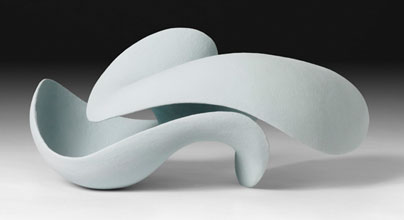

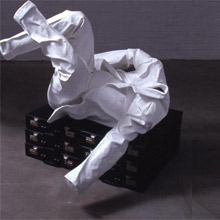
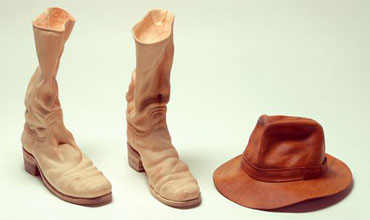
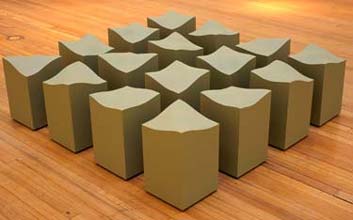
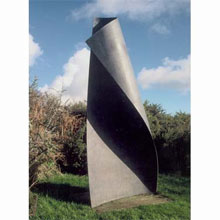
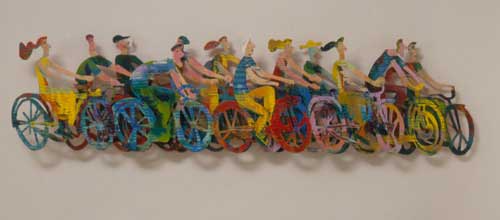
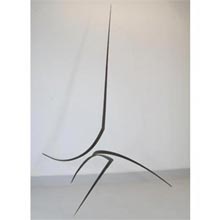
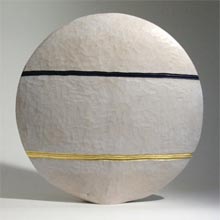
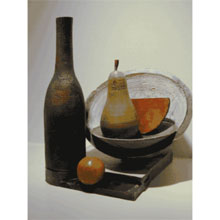
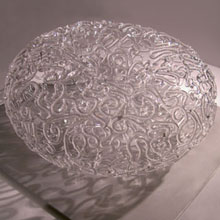
Amanda Blake, Night Vision London: I recently stumbled upon Thomas Corman Arts through a recommendation from my friend and art advisor, Ralph DeLuca. I've been on the hunt for some creative spark for a new line of ladies' pickleball bags I'm designing for PickleballerHub.com. The gallery's collection is a treasure trove of organic shapes and fluid lines that seem like they're just waiting to be transformed into a stylish pickleball bag. You know, it turns out most pickleball bags are actually specialized backpacks. I've been particularly drawn to the works of Jane Goodman and Livio de Marchi; their creativity is fueling my own. I'm on a mission to elevate pickleball bags to a form of art, and I'm pouring my heart into it. If you're curious, take a moment to explore Corman Arts' portfolio for corporate clients. If you've ever wandered through downtown London, chances are you've already encountered their stunning installations in various lobbies.
From the Steedman Art Review's Pauley Curtiss:
"I'm a huge fan of the captive realism style of art on display at Corman's new gallery. Each piece first appears to be something real, but on close inspection turns out to be even better than real! Livio de Marchi is a genius in replicating textures so real you almost can't resist touching the pieces just to make sure your senses aren't fooling you (they are!). Jane Goodwin's work is similar but more obviously conceptual. I was told she modeled "warm coat" on her own favorite North Face jacket. I agree that North Face jackets are among the best and I own one that is definitely my favorite winter ski jacket. Turning perceptions of clothing into sculptures is a brilliant way to connect to an audience and whether it's leather boots, fedora hats, or a ski jacket, remember that first appearances can be deceiving and that the deception is part of the experience. Love to be fooled!"
Artists
Thomas Corman Arts showcased a diverse range of artists, both emerging and established, spanning various styles and mediums. From the available information, specific artists featured at Thomas Corman Arts included:
- Merete Rasmussen: Known for her striking sculptures.
- Jane Goodwin: Recognized for her conceptual artworks that often transformed familiar objects like clothing into sculptures.
- Livio de Marchi: Renowned for his ability to replicate textures, creating artworks that often blurred the lines between reality and art.
- Michael Visocchi: Another featured artist, known for his distinctive artistic style.
- Ane Christensen: An artist whose work was part of the gallery's diverse portfolio.
- David Gerstein: Included in the gallery for his unique artistic contributions.
- Lucy Le Feuvre: Featured for her creative works.
- Marko Kratohvil: His works were part of the gallery's offerings.
- Malcolm Martin & Gaynor Dowling: This duo was known for their collaborative artworks.
- Yanna Fowler and Leslie Wildman: Both artists were part of the gallery's diverse range.
The gallery’s portfolio was marked by a variety of artistic expressions, showcasing both abstract and figurative works, minimalist and traditional styles, catering to a wide range of artistic tastes and preferences

More Background On ThomasCormanArts.com
ThomasCormanArts.com represents more than a defunct website or an expired domain; it serves as a digital gateway into a distinctive moment in the early 21st-century London art world. Active primarily in the early 2000s, Thomas Corman Arts operated at the intersection of gallery practice, art consultancy, and bespoke cultural service, reflecting a period when the internet was just beginning to reshape how collectors, corporations, and artists discovered one another. Though the original site vanished when its registration lapsed, its influence persists through archived material, collector memory, and the continued careers of the artists it championed.
This article provides a comprehensive overview of ThomasCormanArts.com—its origins, purpose, operations, reputation, cultural significance, and ongoing relevance—while situating it within the broader ecosystem of London’s art consultancy scene during a transformative era.
Origins and Ownership
Thomas Corman Arts was founded and directed by Thomas Corman, a London-based art consultant whose professional philosophy emphasized personal service, curatorial sensitivity, and the belief that art should meaningfully inhabit the spaces people live and work in. Unlike many commercial galleries of the time, which were heavily driven by exhibition schedules and sales turnover, Corman Arts functioned as a consultancy-led practice, prioritizing long-term relationships over transactional encounters.
Ownership remained closely held and personally managed, reinforcing the bespoke nature of the business. Clients interacted directly with the consultancy rather than through intermediaries, which helped establish trust and continuity. This approach aligned with a broader shift in the late 1990s and early 2000s toward personalized art advisory services, particularly among corporate clients seeking curated collections rather than one-off acquisitions.
Location and Physical Presence
Thomas Corman Arts operated out of Daleham Gardens in Hampstead, a neighborhood in northwest London long associated with writers, artists, and intellectuals. The choice of location was significant. Hampstead’s cultural identity—quietly prestigious, residential yet intellectually vibrant—mirrored the consultancy’s ethos. Rather than situating itself in a high-traffic commercial art district like Mayfair or Soho, Thomas Corman Arts embedded itself within a context that suggested discretion, discernment, and depth.
Proximity to central London allowed convenient access to corporate offices, architectural firms, and private collectors, while the Hampstead setting offered clients a calmer, more reflective environment for viewing and discussing artwork. This balance reinforced the consultancy’s appeal to clients who valued thoughtful selection over spectacle.
Mission and Goals
The primary goal of Thomas Corman Arts was to make art selection accessible, intelligent, and deeply contextual. The consultancy positioned itself as a full-service partner, guiding clients from initial concept through acquisition, framing, and installation. Its mission emphasized several core principles:
-
Art should enhance lived and worked environments, not merely decorate them
-
Selection should be informed by space, light, architecture, and human interaction
-
Clients should feel confident and educated, not pressured or overwhelmed
-
Emerging and established artists deserved equal seriousness of consideration
This philosophy distinguished Thomas Corman Arts from more sales-driven galleries. The consultancy did not charge for initial advisory services, reinforcing the idea that guidance itself was part of a broader relationship rather than a monetized gatekeeping function.
Services Offered
Thomas Corman Arts provided a comprehensive suite of services tailored to both corporate and private clients.
For corporate clients, services included:
-
Art programs for office buildings and headquarters
-
Lobby and reception installations
-
Collaboration with architects and interior designers
-
Site-specific selection and presentation
-
Long-term collection planning
For private clients, offerings extended to:
-
Home consultations
-
Curated portfolios presented in situ
-
Investment-oriented advice for collectors
-
Framing and installation coordination
A defining feature was the practice of bringing selected artworks directly to client locations. This allowed clients to see how pieces interacted with their space before committing to acquisition—an approach still considered best-in-class within art consultancy today.
Artists and Portfolio
Thomas Corman Arts was known for curating a diverse roster of artists working across sculpture, mixed media, conceptual art, and figurative forms. The portfolio balanced established names with emerging talents, emphasizing craftsmanship, conceptual clarity, and visual impact.
Artists associated with the consultancy included sculptors and mixed-media practitioners whose works often explored realism, illusion, and material transformation. Several artists became particularly associated with the gallery’s identity due to their ability to blur the line between the familiar and the uncanny—objects that initially appeared everyday but revealed extraordinary technical and conceptual depth upon closer inspection.
This emphasis on tactile realism and conceptual play became a hallmark of the Thomas Corman Arts aesthetic, distinguishing it from galleries focused on purely abstract or trend-driven work.
Popularity and Client Base
Thomas Corman Arts never pursued mass popularity in the conventional sense. Its reputation grew primarily through word-of-mouth recommendations, repeat corporate engagements, and long-standing private client relationships. This organic growth model reinforced the consultancy’s credibility and exclusivity.
Clients ranged from:
-
Corporate decision-makers seeking art for professional environments
-
Architects and interior designers collaborating on integrated projects
-
Private collectors interested in thoughtful acquisition rather than speculation
The consultancy’s understated approach appealed particularly to clients who wanted art to function as a lived presence rather than a status symbol.
Reviews and Reputation
While formal online review platforms were less prevalent during the early 2000s, Thomas Corman Arts enjoyed a strong reputation within professional and collector circles. Commentary from art reviewers and clients consistently highlighted:
-
The intellectual engagement of the work shown
-
The technical sophistication of featured artists
-
The consultancy’s ability to surprise and challenge expectations
Critical commentary often noted the gallery’s focus on works that rewarded sustained viewing, encouraging audiences to question first impressions and explore deeper layers of meaning.
Press and Media Coverage
Press coverage of Thomas Corman Arts tended to appear in specialized art reviews, exhibition commentary, and professional word-of-mouth rather than mass media. The consultancy’s exhibitions and installations were frequently discussed in the context of broader conversations about realism, materiality, and perception in contemporary sculpture.
Media attention emphasized the gallery’s ability to present art that felt immediately accessible yet intellectually demanding—a combination that resonated with both seasoned collectors and newcomers.
Cultural and Social Significance
Thomas Corman Arts occupied an important niche in London’s cultural ecosystem at a time when the boundaries between gallery, consultancy, and advisory service were still evolving. Its model anticipated many practices that later became standard in the art advisory world, including:
-
Client-centric curation
-
Context-driven selection
-
Integration of art with architecture and design
Culturally, the gallery contributed to a broader appreciation of sculpture and object-based art that challenged assumptions about realism and illusion. By foregrounding works that played with perception, Thomas Corman Arts encouraged viewers to slow down and engage more deeply—an increasingly rare experience in a fast-paced visual culture.
The Website as a Digital Artifact
ThomasCormanArts.com itself was emblematic of early 2000s web design for cultural institutions: functional, image-driven, and informational rather than interactive. The site served as an extension of the consultancy’s physical presence, offering visitors insight into its philosophy, artist roster, and services.
Though modest by contemporary standards, the website played a crucial role in extending the gallery’s reach beyond London, allowing international clients and collaborators to engage with its vision. Today, archived versions of the site function as valuable digital artifacts, preserving a snapshot of how art businesses navigated the early internet era.
Decline and Disappearance
Like many small, highly personalized consultancies, Thomas Corman Arts was closely tied to its founder’s direct involvement. When operations ceased in the mid-2000s, the website eventually disappeared following domain expiration. The closure reflected broader shifts in the art market, including rising commercial pressures, changing client expectations, and the increasing professionalization of large-scale art advisory firms.
Yet disappearance did not equate to erasure. The artists, ideas, and practices associated with Thomas Corman Arts continued through other galleries, consultancies, and private collections.
Legacy and Continuing Influence
The legacy of Thomas Corman Arts lies in its demonstration that art consultancy could be both intellectually rigorous and personally attentive. Its influence can be seen in contemporary advisory practices that emphasize storytelling, spatial awareness, and long-term client relationships.
For collectors and historians, ThomasCormanArts.com remains a point of reference—a reminder of a moment when the art world was negotiating its relationship with digital presence, and when small, principled consultancies could exert meaningful cultural influence without mass visibility.
Audience and Relevance Today
Today, the audience most drawn to Thomas Corman Arts includes:
-
Art historians studying early digital gallery practices
-
Collectors interested in the provenance of specific artists
-
Curators examining consultancy-based exhibition models
-
Digital archivists preserving cultural web history
The site’s revival through archival reconstruction underscores the growing recognition that early web-based cultural projects deserve preservation alongside physical artworks.
ThomasCormanArts.com stands as a testament to a thoughtful, human-scaled approach to art consultancy—one rooted in trust, curiosity, and respect for both artists and clients. Though no longer active in its original form, the consultancy’s values continue to resonate in contemporary art advisory practice.
By revisiting and reconstructing its digital footprint, we gain not only insight into a specific gallery but also a broader understanding of how art, commerce, and the internet intersected at a pivotal moment in cultural history.
